
Consent Rate and Adblocking Rate Monitoring
2 min read



Table of contents
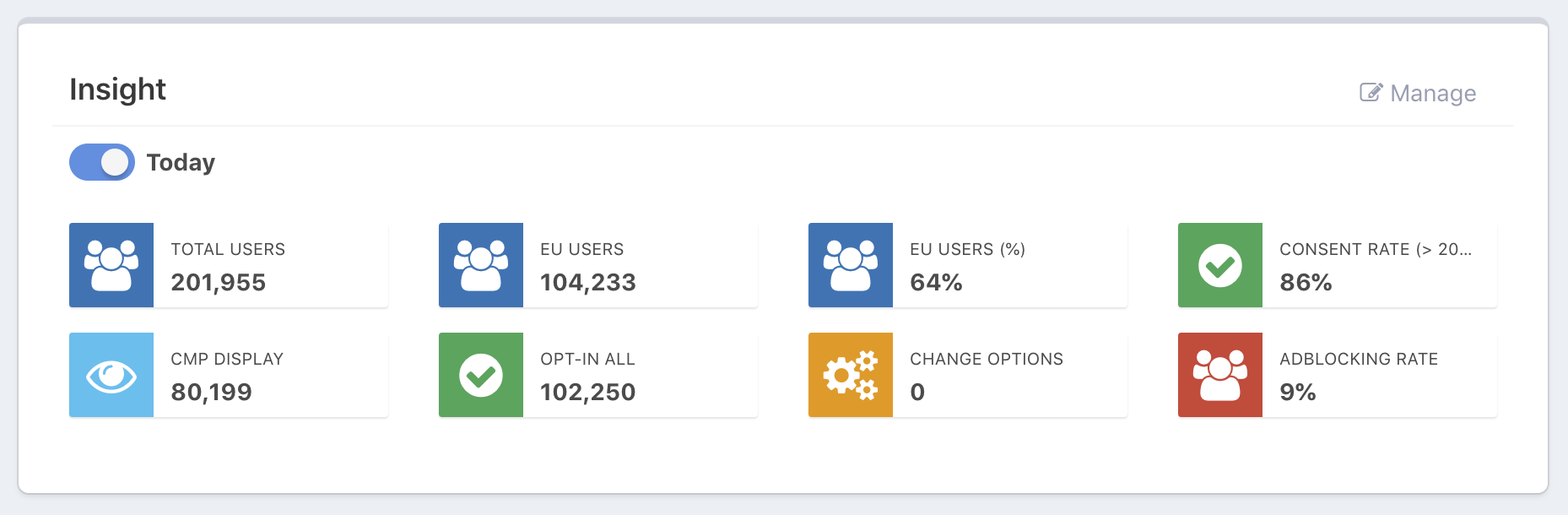 Consent rate and adblocking rate monitoring
At the previous post Measure IAB TCF GDPR consent given rate with Google analytics, we have talked about how to measure consent given rate with Google analytics.
If you don't like to program and like to find an out of box solution, UniConsent is the one provides Consent rate measures and monitoring feature.
You are able to see the consent given rate of each website and the trends.
Lower consent rate
Lower consent given rate by the users means consent leaking and a potential issue and revenue loss of the website.
Lower consent rate also means the site is under-monetized. The programmatic advertising demand partners can't use the user's cookie data to bid the personalised targeting ads.
Consent rate is varying from site to site
Because of the character of the audience on a website is different from site to site, the consent rate is also different.
To archive a higher consent rate, digital publishers have to provide a better user experience and gain the trust from users.
Adblocking rate
Adblocking rate is the percentage of users installing the adblocker plugins on the browser.
Adblocking rate is an important factor impacting the advertising revenue.
You are able to see the adblocking rate charts at UniConsent dashboard now.
Both consent rate monitoring and adblocking rate monitoring features are available to all the premium users.
Leading Consent Management Platform
Compliant with GDPR, CCPA, COPPA, LGPD, PECR, PDPA, PIPEDA, and more.
Get started to make your website and application compliant for EU GDPR, US CPRA, CA PIPEDA etc
Sign upConsent Management Platform Resources
Tinder's €11M DPC Fine: A Self-Service Data Download Must Say What It Leaves Out

Safari Global Privacy Control in iOS 27.3: Getting Your Consent Banner Ready for GPC
FedEx $2.975M CCPA Fine: Cookie Settings That Didn't Stop Ad Trackers or Honour GPC
Coca-Cola Cookie Lawsuit: Lessons on Making "Reject" Stop the Trackers

Session Replay and GDPR: Configuring Hotjar, Clarity and FullStory
Server-Side Tagging and Tracking: Why GDPR Consent Still Applies
Get started to make your website and application compliant for EU GDPR, US CPRA, CA PIPEDA etc
Sign upStay ahead on privacy and consent
Privacy laws, consent and compliance updates, a few emails a month.